 A Network of People Building Peace
Search results
-
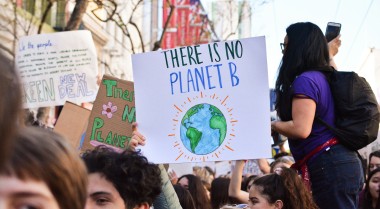
Is Climate Security Human Security?
Join the GPPAC Improving Practice Working Group online roundtable on: Is Climate Security Human Security?
Guiding questions:
What aspects of climate change are relevant for your region?
Does climate change trigger any conflict in your local community/country/region?
Do you or your organisation cooperate with other CSOs in relation to these challenges?
Click here to join the online roundtable. No registration required.
Speakers:
Professor Paula Banerjee: Paula is the Director of the Center on Gender and Forced Displacement at the Asian Institute of Technology (AIT), Thailand, and holds the IDRC Endowed Research Chair on Gender and Forced Displacement. A leading scholar on migration and gender in South and Southeast Asia, she earned her PhD from the University of Cincinnati and previously served as Vice Chancellor of Sanskrit College and University in Kolkata. She has published extensively on forced migration, statelessness, and gender, and is a former President of the International Association for the Study of Forced Migration.
Asel Murzakulova, Senior Research Fellow at the University of Central Asia. Asel is a researcher and peacebuilding expert with more than 20 years of experience in conflict analysis and management in Central Asia. Asel managed projects on climate change and environmental stress, and the mapping of the conflicts' contextualisation in Central Asia.
Tazhykan Shabdanova, President of the Foundation for Tolerance International (FTI). FTI is a non-governmental organisation based in Kyrgyzstan and the Regional Secretariat for GPPAC Central Asia. FTI is an implementing partner of CLIMPSE, a 30-month project co-funded by the European Commission and coordinated by GPPAC that aims to look at the bigger picture of climate, peace, and security and act upon it (https://www.gppac.net/what-we-do/climate-security-and-emerging-threats).
Facilitators and organisers: Lucy Nusseibeh, Improving Practice Working Group Chair, Jon Rudy and Tatjana Popovic, Improving Practice Working Group Co-Chairs.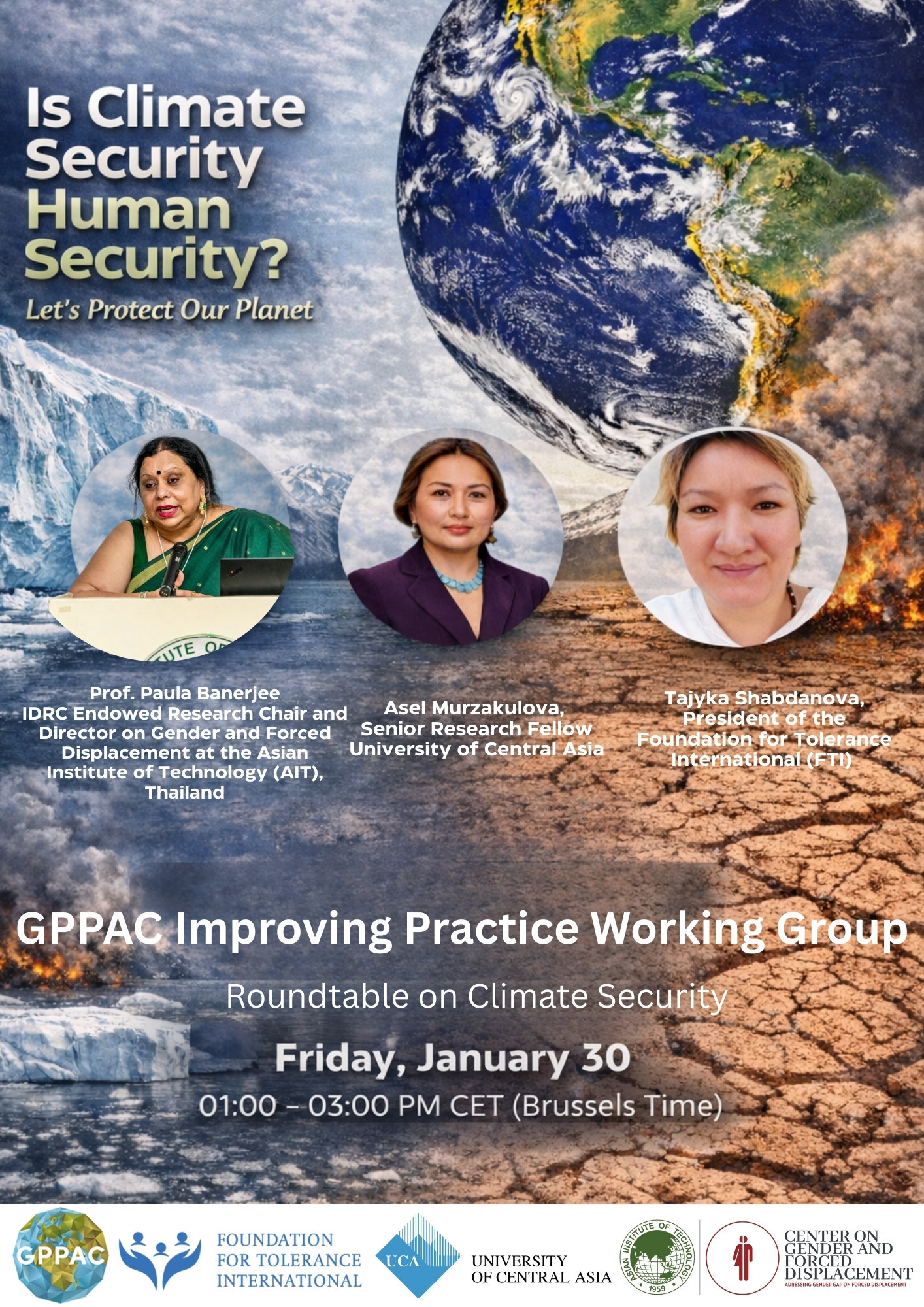
-

Exploring Innovative Technology for Peacebuilding
Are you interested in learning more about the history of technology used to enhance conflict resolution and prevent deadly conflict?
Join a presentation by Bill Warters, PhD, retired from the Master of Arts in Dispute Resolution Program at Wayne State University and a facilitator with the Alternatives to Violence Project of Michigan, organised by GPPAC’s Peace Education Working Group.
Dr Warters will explore the evolution of Online Dispute Resolution (ODR) tools and techniques that aim to maintain neutrality, as well as other forms of info-activism, civic engagement practices, and peace tech initiatives. These approaches often include explicit value orientations that promote peace, mutual well-being, and the protection of those affected by conflict.
While not offering definitive predictions in a time of rapidly advancing Artificial Intelligence (AI), the session will also examine areas where AI may be used constructively in the pursuit of nonviolence and peace.
Watch the webinar below
-
The Climate, Peace, and Security (CLIMPSE) Project
Advancing Locally-Led Climate-Sensitive Peacebuilding
-
-
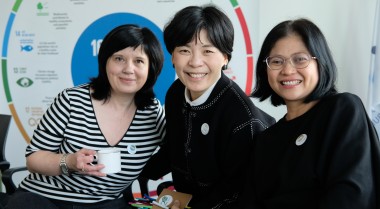
When Crisis Is the Norm: What Can the Multilateral System Learn from Local Practices and Approaches?
When crisis is your everyday reality, local actors move fluidly across peacebuilding, humanitarian aid, development, and human rights work. They...
-
-
-
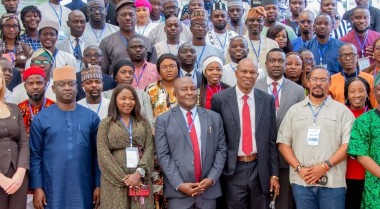
Reimagining Peace and Security in West Africa: Local Solutions, Regional Solidarity and Global Partnerships
West Africa is facing a rise in violent extremism, farmer–herder conflicts, environmental stress, resource-related tensions, maritime piracy...
-

-
-

Climate, Peace, and Security: Rethinking Security in a Warming World
Join an interdisciplinary and practice-oriented dialogue on the climate, peace, and security nexus, either in-person at the Rewley House, University of Oxford or online.
Climate change is not only an environmental or developmental challenge; it is rapidly reshaping the global security landscape in ways that are complex, non-linear, and deeply interconnected. Its implications are highly diverse, operating less as a direct cause of conflict than as a threat multiplier that exacerbates existing political, economic, and social vulnerabilities.
In conflict-affected and post-conflict settings, climate stress places additional pressure on fragile livelihoods and resource systems, with harmful consequences for food, water, and energy security. These pressures often emerge in contexts where public institutions are already unable to meet basic needs, compounding governance deficits and eroding social cohesion. As a result, climate change can deepen grievances and directly affect the capacity to sustain, reinforce, and build peace, while also reshaping the dynamics of peacebuilding itself.
At the same time, insecurity contributes to the climate crisis. Modern warfare devastates infrastructure and ecosystems, and entire regions risk becoming environmental sacrifice zones, underscoring the entanglement of climate and security.
These dynamics challenge traditional, state-centric notions of security and point towards the need for more integrated approaches that incorporate human security, environmental justice, and locally grounded perspectives.
During this hybrid event, panellists and speakers will:
- introduce the complexity of the climate, peace, and security nexus,
- illustrate how grassroots actors, peacebuilders, and academics are complementing state-led approaches through human security, environmental justice and locally grounded perspectives
Registration is required for both in-person and online participation. Please register here.
This hybrid event is organised as part of GPPAC's Climate, Peace, and Security (CLIMPSE) Project, co-funded by the EU and the United Nations Association of Mongolia (UNA Mongolia), with support from the Oxford Diplomatic Studies Programme.
-