 A Network of People Building Peace
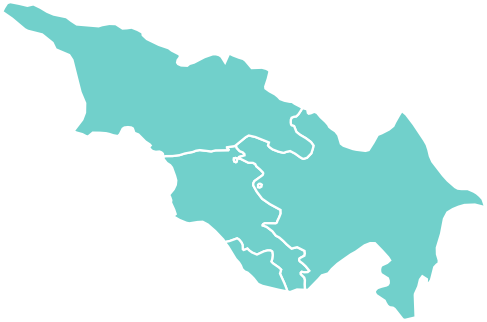
South Caucasus
Across the South Caucasus, GPPAC members work to reduce the human security risks created by unresolved conflict and political division. They support conflict-affected communities, sustain dialogue across divides, and help ensure that women, young people, and displaced populations have a voice in decisions that affect their security and future.
Fragile normalisation and unresolved conflicts
Armenia and Azerbaijan have made tangible progress toward normalisation, but the process remains incomplete and politically vulnerable. Outstanding issues around border delimitation, transport connectivity, constitutional questions, and security guarantees continue to affect the prospects for a durable settlement.
In Georgia, the conflicts over Abkhazia and South Ossetia remain unresolved, with division lines, restricted movement, displacement, and the continued presence of Russian forces shaping the security environment.
Across the region, pressure on civic space also limits the ability of civil society actors to sustain dialogue, conduct analysis, and support communities affected by conflict. While the extent of restrictions varies across countries, civil society organisations in different parts of the region face growing challenges related to funding, public engagement, and the broader environment for peacebuilding and human rights work.
Why our members' work matters in the South Caucasus
Even under these constraints, GPPAC members in the South Caucasus continue to support inclusive peacebuilding by working with displaced and conflict-affected populations, strengthening community resilience, and creating space for dialogue across divided communities. A key focus of their work is promoting the meaningful participation of women and young people in formal and informal peace and decision-making processes, particularly in contexts where they remain underrepresented. Members adapt their approaches to different political and social realities across the region.
GPPAC members also work across interconnected areas, including human security, the Women, Peace and Security (WPS) and Youth, Peace and Security (YPS) agendas. This includes addressing violence against women, including domestic and digital violence, supporting survivors, strengthening protection mechanisms through awareness-raising, and promoting women’s economic empowerment.
Through community dialogue, exchange across divided societies, and locally grounded research and analysis, members inform peacebuilding and policy processes and help communities respond to emerging challenges, including climate and environmental risks.
"Together with GPPAC we are tackling the issue of participation in order to bring more civil society and women mediators to peace processes."
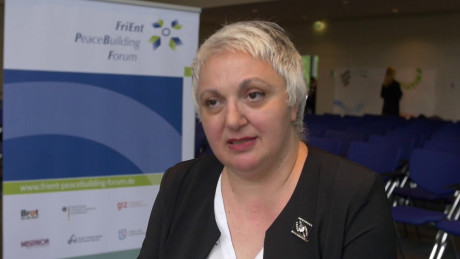
Regional Secretariat
Women Fund "Sukhumi"
Tbilisi, Georgia
Regional Representative
Ekaterine Gamakharia
Regional Liaison Officer
Maya Katisadze